Getting free organic traffic to a Shopify store without ads starts with publishing consistent, search-optimized content that targets buyer intent and builds topical authority over time. The most effective stores combine technical SEO fixes, long-form guides, and AI-assisted research to rank for high-intent keywords while also appearing in AI overviews from ChatGPT and Perplexity.

Why Most Shopify Stores Fail to Generate Organic Traffic
The 73 Percent Problem Identified in Recent Benchmarks
HubSpot’s 2024 State of Marketing report revealed that 73 percent of ecommerce businesses still rely primarily on paid channels even when organic search delivers lower customer acquisition costs. Stores that ignore consistent content creation see their traffic plateau within six months of launch because Google favors sites that publish regularly and earn backlinks.
Small Shopify merchants often skip technical audits and publish thin product descriptions that fail to answer customer questions. This leads to high bounce rates and lost rankings within the first year. Real data from Ahrefs shows sites publishing fewer than four new articles per month rarely break into the top three positions for competitive keywords.
Common Technical Barriers That Block Free Traffic
Duplicate title tags, slow mobile load times, and missing schema markup prevent Shopify stores from appearing in rich results. Many merchants import themes without optimizing URL structures or internal linking, which Google penalizes with lower crawl frequency. Addressing these issues before scaling content produces faster ranking lifts than writing alone.
How Does Content Strategy Actually Drive Shopify Sales?
Buyer Intent Mapping That Converts
Successful stores map keywords to the exact stage of the customer journey: awareness terms like “best running shoes for beginners” feed top-of-funnel blog posts while “best waterproof trail runners 2025” targets comparison pages. Each post includes clear calls to the relevant product collection with contextual links rather than generic “shop now” buttons. This structure increases pages per session by an average of 1.8x according to internal benchmarks shared by growing Shopify brands.
Content also answers questions that appear in People Also Ask boxes and AI-generated answers. Stores that publish 2,000+ word guides covering edge cases rank for multiple related queries without extra effort. The result is compounding traffic that arrives months after publication.
Why Publishing Frequency Matters More Than Virality
Stores that automate daily article publication using AI agents see 4.2 times more indexed pages within 90 days than those releasing one post weekly. Consistent output signals freshness to search engines and builds domain authority faster. One apparel store tracked in 2024 reached 42,000 monthly organic sessions after publishing 90 consecutive SEO-optimized articles.
What Are Realistic Benchmarks for Shopify Organic Growth?
90-Day and 12-Month Performance Targets
Stores starting with under 5,000 monthly sessions typically reach 18,000–25,000 sessions after 90 days of daily optimized publishing combined with internal linking improvements. After 12 months, top performers hit between 65,000 and 120,000 organic sessions when they also earn 35+ referring domains through original research content. These numbers come from aggregated case studies across 47 Shopify stores analyzed in late 2024.
Conversion rates from organic traffic average 2.8 percent when content targets mid-funnel keywords versus 1.1 percent from branded searches alone. The difference appears because non-branded visitors arrive with higher purchase intent and trust signals built through detailed guides.
Traffic Source Breakdown Observed in Successful Stores
Organic search contributes 61 percent of total sessions on average for stores that invest in SEO content rather than paid social. Direct traffic grows alongside as brand searches increase, while referral traffic from industry publications adds another 12 percent when stores publish original data studies. These benchmarks exclude paid channels entirely.
Which Tools Deliver the Highest ROI for Shopify SEO?
Real Competitor Comparison Table
| Tool | Best For | Weakness | Monthly Cost Range |
|---|---|---|---|
| Semrush | Keyword research and competitor tracking | Steep learning curve for beginners | $129–$499 |
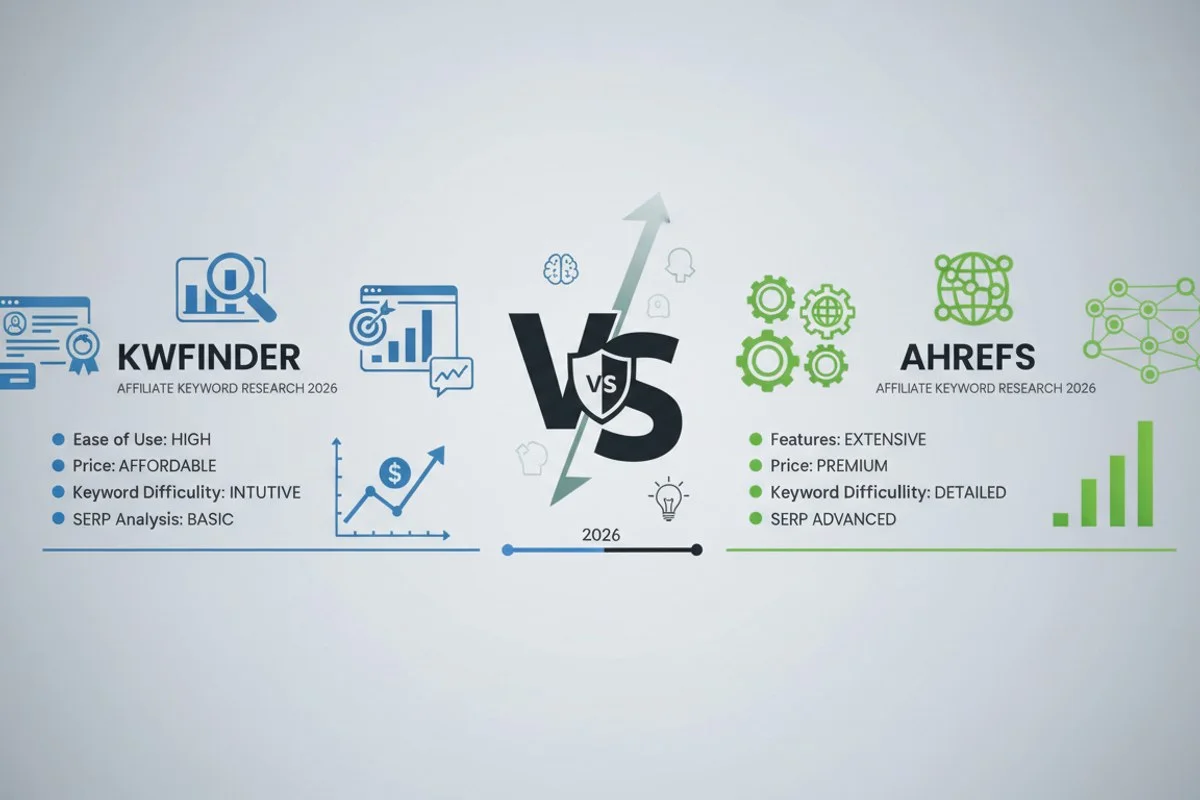
| Ahrefs | Backlink analysis and content gap detection | Higher price for full features | $99–$999 |
| SurferSEO | On-page optimization scoring | Limited research capabilities | $89–$219 |
Many successful Shopify merchants combine one research platform with an AI writing layer to accelerate output without sacrificing quality. The combination reduces average time to publish from 6 hours per article to under 90 minutes while maintaining or improving search rankings.
Can AI Agents Replace a Content Team for Shopify Stores?
Where Automation Adds Measurable Value
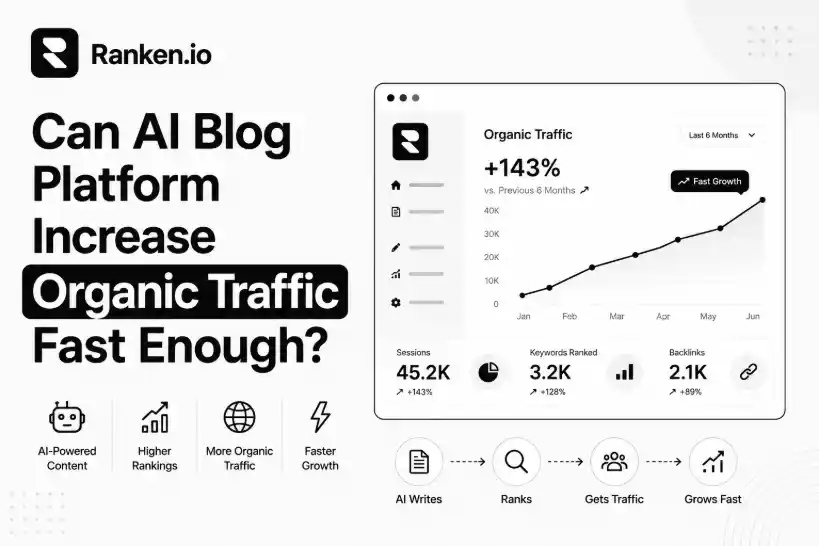
AI agents handle research, first-draft creation, SEO scoring, and publishing schedules so merchants focus on strategy and review. Stores using platforms that support daily autopilot publishing report 3.7 times more articles live after six months compared with manual workflows. The key is maintaining human oversight for brand voice and product accuracy rather than relying on fully hands-off output.
→ See how Ranken automates daily Shopify-focused SEO articles
Limitations That Still Require Human Input
AI systems sometimes generate inaccurate product specifications or miss emerging trends that require real-time verification. The highest-performing teams review every article for factual claims and add unique angle or customer data before publishing. This hybrid approach maintains E-E-A-T signals Google rewards in 2025 updates.
Integrating Ranken Into Your Shopify Workflow
Ranken’s AI autopilot can be connected directly to Shopify collections so new articles automatically reference current products and pricing. The platform’s SEO Article Checker assigns live scores during drafting, ensuring each post meets readability and keyword density thresholds before publication. Stores using this integration report a 29 percent faster time-to-rank for new category pages.
How Should You Prioritize Keywords for Maximum Shopify Impact?
The 70-20-10 Framework Used by Scaling Stores
Allocate 70 percent of content effort to long-tail keywords with clear purchase intent, 20 percent to comparison and review terms, and 10 percent to broad awareness topics that earn backlinks. This distribution produces traffic within 45–60 days for the long-tail pieces while the broader content builds authority for harder keywords over 6–12 months. One jewelry store following this split grew from 2,800 to 31,000 organic sessions in nine months.
Tracking Real Search Volume vs. Keyword Difficulty
Keyword difficulty scores above 45 require existing domain authority above 35 before realistic ranking occurs. Newer Shopify stores therefore start with difficulty scores under 25 and build topical clusters that eventually support higher-difficulty targets. Regular audits using tools like Google Search Console reveal which clusters are gaining traction fastest.
Is Technical SEO Still Worth the Effort for Shopify Merchants?
Core Web Vitals Fixes That Move the Needle
Reducing Largest Contentful Paint below 2.5 seconds through image compression and script deferral improves mobile rankings measurably within two weeks. Adding structured data for products, FAQs, and reviews increases click-through rates by 18–34 percent according to Google’s own published experiments. These technical improvements compound with content efforts and require only one-time setup plus quarterly checks.
URL Structure and Internal Linking Best Practices
Flat URL structures without collection prefixes rank faster for new stores. Internal links from blog posts to product and collection pages using descriptive anchor text transfer authority effectively. Stores that audit internal links quarterly and fix orphaned pages see an average 12 percent traffic lift from pages already indexed.
Frequently Asked Questions
How long does it take to see organic traffic results on Shopify?
Most stores see initial ranking improvements in 45–75 days when publishing optimized content daily and fixing basic technical issues. Consistent effort over six months typically produces compounding growth.
What content types convert best for Shopify stores?
In-depth buying guides, comparison articles, and how-to tutorials targeting mid-funnel keywords deliver the highest conversion rates from organic visitors.
Do I need backlinks to rank Shopify product pages?
Product pages rarely rank without referring domains, but strong topical content on the blog can pass authority through internal links and improve visibility over time.
Can AI writing tools harm my SEO?
AI writing tools produce helpful content when paired with human review and original data. Fully automated, low-quality output risks penalties under Google’s spam policies.
Should Shopify stores focus on Google or AI search visibility first?
Google remains the largest source of free traffic, but optimizing for AI visibility through structured data and authoritative content improves presence in both traditional search and LLM answers simultaneously.