Step 1: Map the SaaS Buyer Journey Before Keyword Research
Start with the actual decision process your target accounts follow. SaaS buyers rarely search for broad terms like "project management software" until they have already narrowed options through internal recommendations, review sites like G2 and Capterra, Slack communities, and peer networks. The modern B2B buying journey is highly non-linear and involves multiple stakeholders across different stages.
Map stages from problem awareness to vendor evaluation, then assign search volumes and conversion probabilities to each stage using real historical data. This buyer-centric approach prevents wasting resources on generic high-volume keywords that attract unqualified traffic.
Use your own CRM data to identify which queries preceded closed deals in the past 18 months. This creates a prioritized keyword list weighted by revenue instead of search volume alone. One counterintuitive finding from multiple SaaS teams is that bottom-of-funnel queries often deliver lower lifetime value because those prospects have already compared several tools and tend to be more price-sensitive.
Action: Export your last 50 won opportunities and list the first three searches each account performed. Group them into awareness, consideration, and decision clusters.
Understanding the SaaS Buyer Journey Stages in Depth
The awareness stage involves prospects recognizing pain points such as inefficient workflows or scaling challenges. Searches here are problem-oriented: "how to improve team productivity" or "challenges with remote onboarding." In the consideration stage, they explore solutions and compare categories. Decision stage includes specific comparisons, pricing lookups, and integration checks.
According to research, B2B buyers spend significant time in self-education before engaging sales teams. Aligning your keyword strategy to these stages dramatically improves conversion rates.
HubSpot SaaS Buyer Journey Guide
Gartner B2B Buying Journey Report
Understanding SaaS Sales and Marketing Alignment
Step 2: Establish Technical SEO Foundations Specific to SaaS Sites
SaaS websites frequently change product features and pricing pages. This creates crawl budget waste when old URLs remain indexed. Implement a strict URL governance process where any feature update triggers an immediate redirect and internal link audit.
Core web vitals matter less than structured data for product comparisons. Add FAQ schema to every comparison page so Google can surface direct answers. Track indexing rates monthly using Google Search Console rather than relying on third-party tools that sample data.
Action: Audit the last six months of product updates and ensure every changed URL has a 301 redirect with updated internal links pointing to the new location.
Advanced Technical SEO Tactics for Dynamic SaaS Platforms
Modern SaaS sites must handle frequent updates without harming SEO. Use proper redirect strategies, maintain clean URL structures, and optimize for JavaScript-heavy applications. Implement schema markup for products, reviews, and FAQs to enhance visibility in rich results.
Focus on crawl budget management, especially for large sites with thousands of pages. Monitor server logs and Search Console for indexing issues.
Google URL Consolidation Guidelines
SaaS Technical SEO Best Practices 2025
Comprehensive Technical SEO Checklist

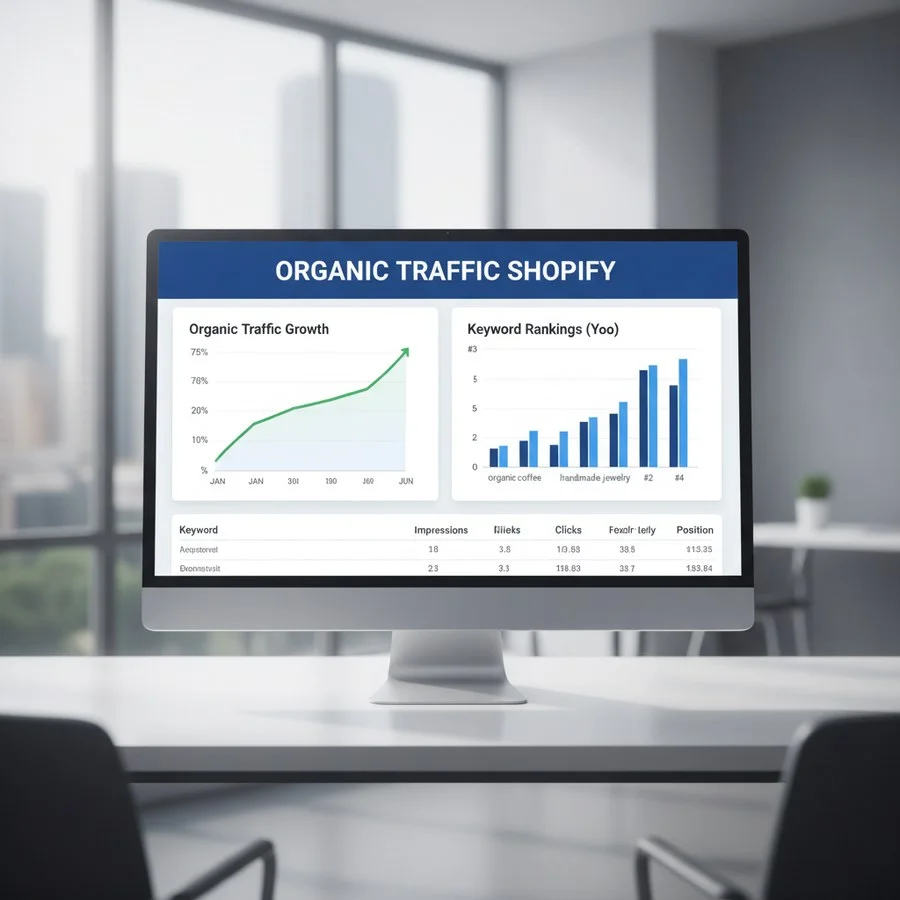
Team analyzing SaaS buyer journey data for organic traffic planning
Step 3: Build Content Clusters Around High-Intent Use Cases
Generic feature lists do not rank. Instead, create pillar pages that address specific workflows such as "how remote teams reduce onboarding time by 40% using automation." Each pillar needs six to eight supporting articles that answer adjacent questions the same searcher would ask in the same month.
The trade-off appears when teams chase topical authority across too many sub-niches. Depth in two or three core workflows outperforms shallow coverage of ten. Measure success by the number of keywords ranking in positions 4–10 for each cluster rather than total keywords tracked.
Action: Choose one workflow with documented customer success stories and outline one pillar plus five supporting pieces before writing any content.
Creating High-Performing Content Clusters for SaaS
Topic clusters build topical authority and help search engines understand your expertise. A strong pillar page acts as a hub, with cluster content providing depth and internal linking structure that improves crawlability and user experience.
Include original research, customer case studies, data visualizations, and practical templates to stand out. Regularly update clusters to maintain freshness signals.
Semrush Topic Cluster Strategy
Ahrefs Content Clusters Explained
Step 4: Incorporate AI Search Optimization Into the Roadmap
By 2026, zero-click answers and AI summaries will capture an estimated 35% of SaaS informational queries. The winning tactic is to structure content so models cite your pages during summarization. This requires clear answer boxes, first-hand data, and original frameworks rather than recycled lists.
Edge case: Long-tail queries with under 100 monthly searches sometimes surface more often in AI results because competition is lower. Track impressions in Google Search Console for these low-volume terms to spot emerging opportunities.
Action: Rewrite your top three existing articles to include one original data point or decision framework that cannot be found on competitor sites.
Optimizing Content for AI Overviews and Generative Search
AI search engines favor content with clear structure, authoritative sourcing, and unique insights. Use natural language, tables for comparisons, and data-backed claims to increase citation likelihood.
Focus on E-E-A-T (Experience, Expertise, Authoritativeness, Trustworthiness) by showcasing real customer results and author credentials.
AI Search Optimization Strategies
Step 5: Create a Backlink Acquisition Cadence Tied to Content Releases
Outbound link building works best when tied to timely content rather than generic outreach. Release a quarterly benchmark report using your anonymized customer data and promote it to journalists covering your category. This generates links that also drive referral traffic from industry publications.
Avoid paid link networks. One SaaS founder reported a 40% drop in organic traffic after a link penalty that took nine months to recover from. Focus instead on digital PR that earns mentions from sites already covering similar tools.
Action: Schedule the next benchmark report release date and identify five target publications that covered comparable reports in the past year.
Effective Link Building Strategies for SaaS Companies
Digital PR and original research are the most sustainable ways to earn high-quality backlinks. Create assets that journalists and industry analysts naturally want to reference.
Build relationships with niche publications and leverage HARO (Help a Reporter Out) or similar platforms.
Moz Link Building Best Practices
Step 6: Set Measurement Cadence and Iteration Triggers
Review organic traffic by channel and intent stage every 90 days. Set a rule that any cluster showing less than 8% quarter-over-quarter growth receives a content refresh audit before new pieces are commissioned. This prevents resource waste on underperforming topics.
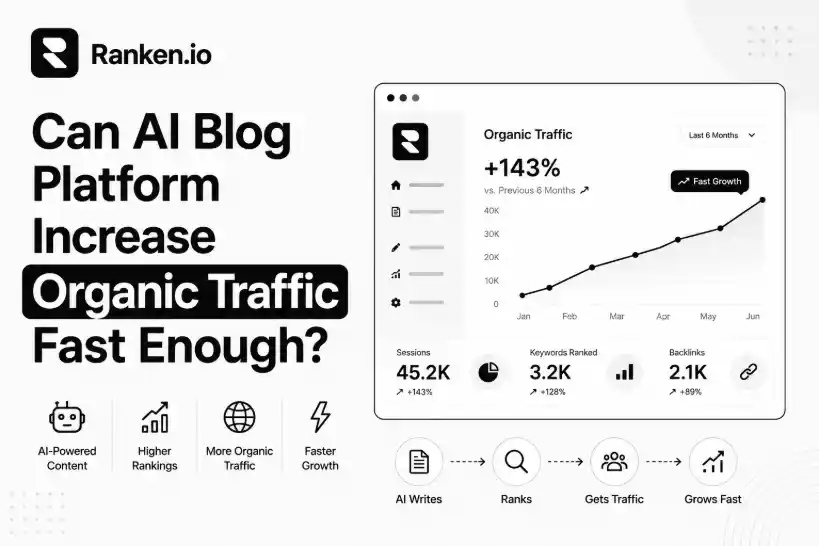
Services like Ranken specialize in exactly this — maintaining consistent publishing velocity while preserving quality control across technical and editorial teams.

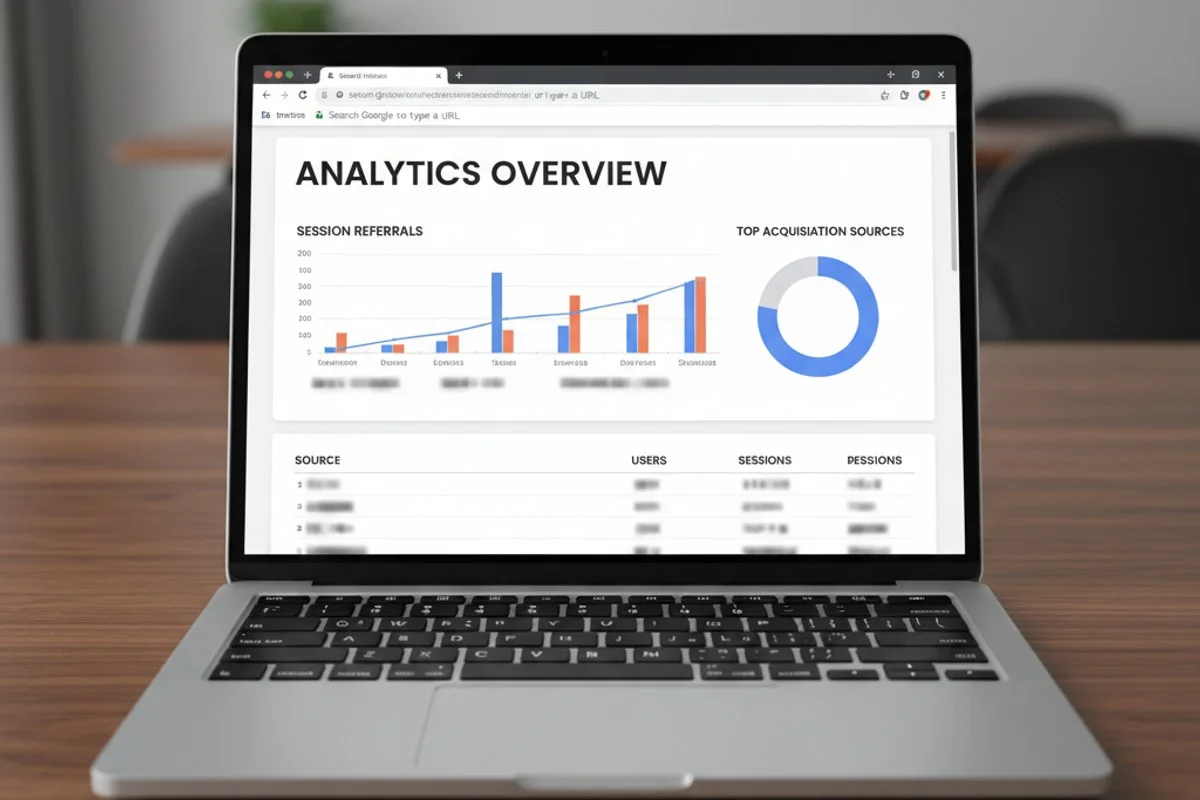
Organic traffic metrics dashboard for SaaS content strategy in 2026
Key Metrics and Iteration Framework for SaaS SEO
Track organic sessions, qualified leads, keyword rankings, and cluster performance. Use Google Analytics 4 and Search Console data for comprehensive insights. Set clear triggers for content updates or pivots.
Google Analytics 4 Documentation
Essential SEO Metrics to Track
Ranken's Approach to Scaling SaaS Content Production
Ranken scans your existing site to surface topic gaps and generates drafts optimized for both search engines and AI summaries. Teams can publish immediately or enable autopilot mode that maintains a steady cadence without additional headcount. See how Ranken handles content roadmaps for growing SaaS companies at AI blog platform for SaaS teams.
Step 7: Align Internal Stakeholders on Content Governance
Product marketing, customer success, and engineering all produce insights that can fuel organic content. Create a shared intake form where subject-matter experts submit data points or customer anecdotes on a quarterly basis. This reduces reliance on the marketing team to invent topics from scratch.
One practical nuance: require every submission to include the original source or internal metric ID. This prevents citation issues later and speeds up fact-checking during the editorial process.
Action: Send the intake form to five non-marketing stakeholders this week and review submissions in your next roadmap meeting.
Building Cross-Functional Content Processes
Successful SaaS content programs treat content as a company-wide effort. Implement clear workflows, approval processes, and feedback loops to maintain quality and consistency.
Internal alignment leads to more authentic, data-rich content that performs better in search and AI results.
Startup Blog Launch: SEO Setup Without Developers
Measuring Content ROI for AI Blogging Platforms
Content Marketing Institute B2B Strategies
Internal teams that follow this structured approach consistently report 2–3x higher organic session growth within 12 months compared with ad-hoc publishing. For more on launching without a full development team, read the linked resources above. Track results using frameworks in the provided articles.